







Search Results for: coffee variety dissemination
Overview of China's Coffee Market Information Platforms: Top Ten Professional Coffee Websites Recommended and In-Depth Analysis
As domestic coffee consumption continues to heat up, the professionalism of industry information channels is becoming increasingly critical. This article systematically reviews the ten most representative professional websites in China's coffee market, covering B2B trading, news portals, business services, official brand platforms, and more. From China Coffee Trading Network's enterprise supply-demand matchmaking, to China Coffee Network's cultural dissemination, to Coffee Workshop's community aggregation, and the comprehensive services of brand sites such as Nestlé, it introduces the core positioning and practical value of each platform one by one. Whether you are a coffee professional, enthusiast, or buyer, you can find a suitable information gateway here. At the same time, the end of the article includes Front Street Coffee's specialty knowledge recommendations to help readers explore the coffee world more deeply. [more…]
Tracing the Origins of the Sidra Coffee Variety: Why Is It Called a "Contaminated Geisha"? Is Its Place of Origin Ecuador or Colombia?
Sidra is a variety that has been frequently mentioned in the specialty coffee circle in recent years, and the controversy and curiosity surrounding it have never ceased: is it originally from Ecuador or Colombia? Why do some people call it a "contaminated Geisha"? This article will sort out the true face of Sidra from the perspectives of variety origin, naming reasons, flavor characteristics, and origin dissemination, and answer the ins and outs of its ambiguous relationship with Geisha, helping coffee lovers to more clearly understand this trending variety. [more…]
Why Are Coffee Varieties in Producing Regions Relatively Fixed? The Spread and Selection Logic from Typica and Bourbon to Geisha
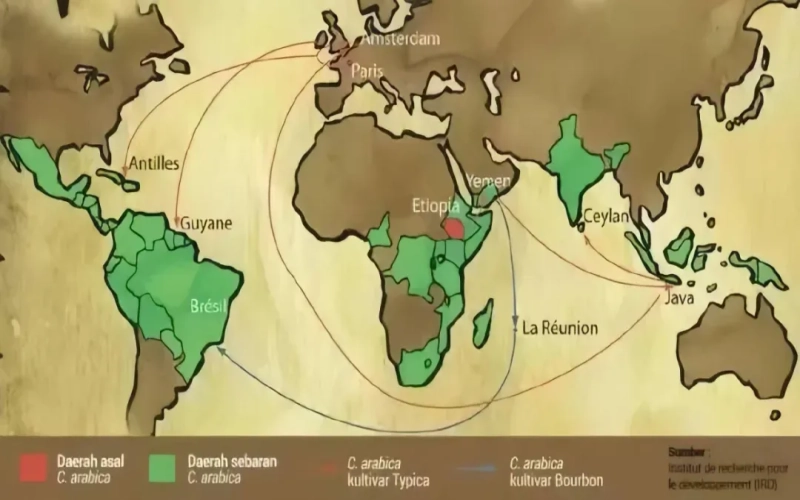
When selecting coffee beans, the packaging often indicates information such as origin, variety, altitude, and processing method. Attentive enthusiasts will notice that certain origins seem always tied to specific varieties: Ethiopia commonly has heirloom varieties, Brazil is dominated by Bourbon, Jamaican Blue Mountain is almost entirely Typica, and Panama mostly has Geisha. This "origin-variety" correspondence is no accident, but the result of the combined effects of variety dissemination history, environmental adaptability, disease impact, and market trends. This article will trace along the timeline how Typica, Bourbon, and Geisha entered various producing regions, and explain why they have been able to remain dominant for so long, while retaining Front Street brand recommendations and product information to help readers understand the ins and outs of the flavors in the cup. [more…]
Why Do Coffee-Producing Countries Stick to Certain Varieties for So Long? A Panoramic Analysis from the History of Leaf Rust to Laboratory Breeding
When you shop for coffee beans, have you ever noticed that certain origins always seem to grow just a few fixed varieties? Brazil, for instance, is dominated by Bourbon, while Jamaica Blue Mountain is inseparable from Typica. Behind this lies both the logic of variety dissemination and natural adaptation, as well as a chapter of coffee history rewritten by leaf rust. That devastating disease at the end of the 19th century forced many producing countries to turn to research on disease-resistant new varieties, leading to the establishment of national coffee research institutes. This article will walk you through the origins and development of common laboratory varieties such as Catuai, SL28, SL34, Ruiru 11, and H1, and how they became the mainstays of today's producing regions. It will also mention related beans selected by Front Street Coffee, offering you a practical buying reference. [more…]
A Comprehensive Analysis of the Origins, Hacienda La Esmeralda Grading System, and Flavor Characteristics of the Geisha Coffee Variety
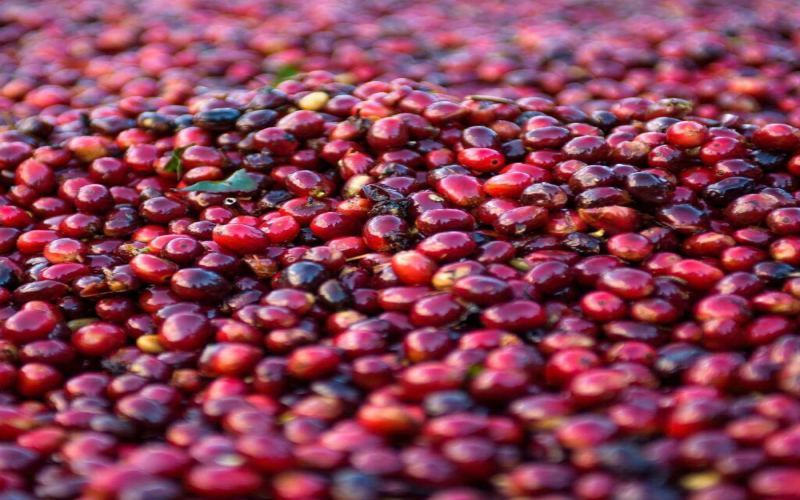
Geisha coffee is regarded as a legendary variety in the specialty coffee world. From the primordial forests of Ethiopia to the international auction stage in Panama, it has traveled a winding and remarkable path of dissemination. This article systematically sorts through Geisha's varietal origins, spread, and important estates, explains in detail the respective grading systems of Hacienda La Esmeralda and Geisha Village, and provides an in-depth analysis of Geisha coffee's typical flavor expression in dry aroma, wet aroma, and mouthfeel. Front Street Coffee, drawing on years of cupping and green bean comparison experience, will also share professional observations on the differences between Ethiopian Geisha and Panamanian Geisha, offering coffee lovers a complete guide to understanding the Geisha variety. [more…]

A Complete Analysis of Arabica Coffee Bean Varieties: The Origins and Regional Flavor Differences of Typica, Bourbon, and Geisha
Arabica coffee accounts for about 70% of global coffee production, and its cultivation typically requires an altitude of over 1,200 meters. After this variety was introduced from the Arabian region to Europe, it was divided into two foundational categories, Typica and Bourbon, based on differences in the places of introduction, and thereafter many branches emerged through genetic mutation and hybridization. This article will begin with the dissemination path of Geisha, sort out the respective characteristics and advantages and disadvantages of Typica and Bourbon, and extend to representative producing regions such as Brazil, Colombia, Jamaica Blue Mountain, and Hawaii Kona, analyzing how altitude, terrain, and harvesting methods affect the flavor expression and price positioning of coffee beans. [more…]
A Detailed Guide to Panama Geisha Coffee Growing Altitudes and Regional Classifications: A Full Analysis of Hacienda La Esmeralda Geisha Flavor Characteristics
Geisha traveled from the wild forests of Ethiopia to the world stage of specialty coffee, undergoing nearly a century of dissemination and accumulation. Panama's Hacienda La Esmeralda propelled it from an unnamed windbreak tree species to the champion's throne in bidding competitions, forever rewriting the price and flavor benchmarks of specialty coffee. This article systematically sorts out Geisha's discovery and dissemination path, the high-altitude growing conditions of Panama's Chiriquí Province, the red-label and green-label grading systems, as well as Geisha's fascinating floral and fruity aromas and silky mouthfeel. Whether you are a novice just getting into specialty coffee or a seasoned connoisseur seeking top-tier bean varieties, you can gain a clear cognitive framework from it. [more…]

Tracing the Origins of Costa Rican Geisha and Its Blend Expression: Analyzing the Strawberry Candy Flavor of Mirazu Estate
The origin of Geisha's fame actually lies in Costa Rica, and the Panamanian variety was introduced from there. This article starts from the history of variety dissemination, compares the differences between Costa Rican and Panamanian Geisha, and focuses on the strawberry candy Geisha blend from Mirazu Estate launched by Front Street Coffee. The beans come from the Tarrazu region, at an altitude of 1700 meters, and are a half-and-half blend of four varieties: Geisha, ET47, SL28, and MAICO. They are processed as raisin honey and cup with jasmine floral notes, raisin sweetness, and strawberry gummy flavors. The article also outlines the background of each variety, processing details, and includes Front Street's V60 brewing parameters and technique for coffee enthusiasts' reference. [more…]
The Journey of Typica Coffee from Ethiopia to the World and a Flavor Comparison of Blue Mountain Washed vs. Natural
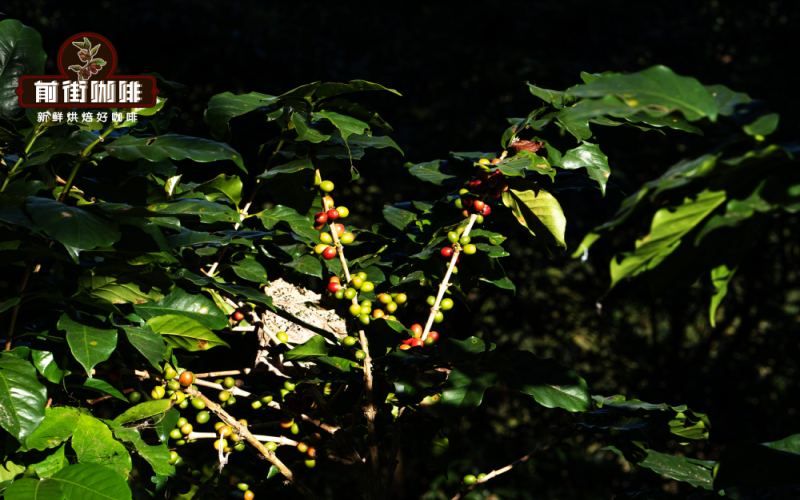
Typica is one of the oldest varieties of Arabica coffee and today accounts for a significant share of global Arabica production. It originated in Ethiopia and traveled through Yemen, India, Europe, and Southeast Asia before finally taking root in Central and South America and Hawaii, shaping the development landscape of the world's coffee-producing countries. This article will trace Typica's global journey, introduce its botanical characteristics and cultivation process, and use Jamaican Blue Mountain as an example to compare the flavor profiles of washed and natural processing methods. Through roasting, cupping, and brewing, Front Street Coffee presents the delicate, clean character of Blue Mountain Typica, offering a reference for coffee enthusiasts. [more…]
Panama Hacienda La Esmeralda Geisha Coffee Beans: A Comprehensive Analysis of Variety Origins and the Flavor Differences Between Red, Green, and Blue Labels
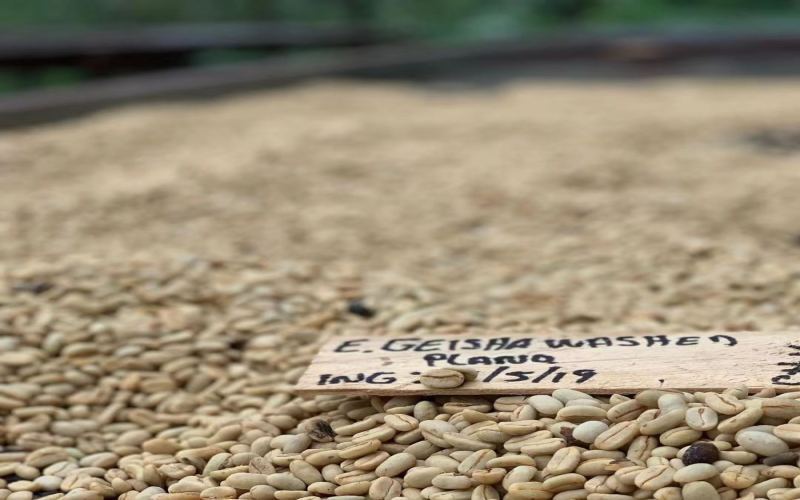
How did Geisha coffee travel from the wild forests of Ethiopia to the world stage? And how did Panama's Hacienda La Esmeralda divide it into three grades: Red Label, Green Label, and Blue Label? From the perspective of Front Street Coffee, this article provides a complete overview of Geisha's varietal dissemination history and Hacienda La Esmeralda's grading system, analyzing one by one the growing altitude, processing methods, and cupping flavor differences of Red Label, Green Label, and Blue Label Geisha. It also introduces the Diamond Mountain brand under Hacienda La Esmeralda and shares Front Street's light-roast approach and brewing parameters for Geisha coffee, giving you a comprehensive understanding of this legendary variety that has made Panamanian coffee famous worldwide. [more…]

Geisha vs. Yirgacheffe Coffee Beans Compared: A Detailed Guide to Terroir, Processing Methods, and Pour-Over Flavor Differences
Geisha and Yirgacheffe—one is a top-tier superstar in the specialty coffee world, the other is the entry point and enlightenment for countless enthusiasts. Both carry alluring floral aromas and fruity acidity, yet due to differences in origin, variety, and processing methods, they present completely different flavor directions. Starting from the daily inquiries at Front Street Coffee's stores, this article systematically sorts out the origin background of Ethiopian Yirgacheffe and Panamanian Geisha, the history of variety dissemination, Hacienda La Esmeralda's red, green, and blue label grading system, as well as their respective classic flavor descriptions. It also includes Front Street Coffee's Red Cherry and Red Label Geisha pour-over parameters and three-stage extraction plans, helping you understand the roasting logic and brewing key points for high-altitude hard beans, and find that cup of floral coffee suited to your own taste. [more…]
A Complete Analysis of Geisha Coffee Bean Origins: From Ethiopian Beginnings to Cultivation and Flavor at Panama's Hacienda La Esmeralda
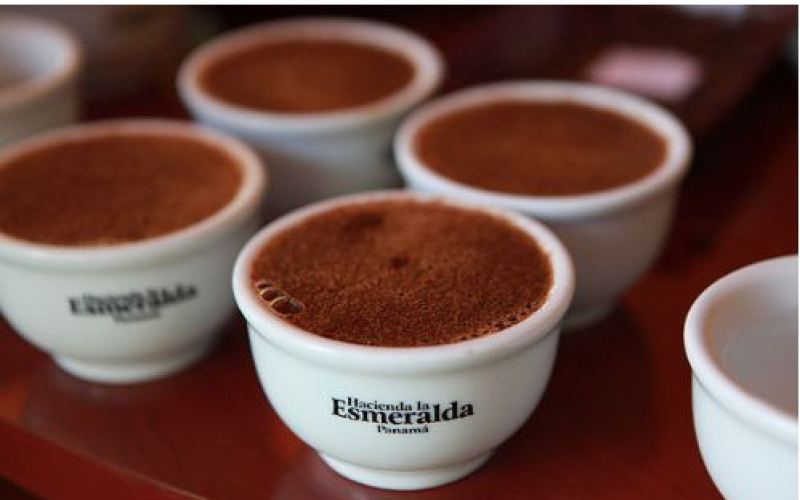
Geisha coffee, also known as Gesha coffee, is widely recognized as a top-tier variety in the specialty coffee world. It originated in the Geisha forests of Ethiopia, then spread through Kenya, Uganda, and Costa Rica before arriving in Panama. It was not until 2004, when Hacienda La Esmeralda won the Best of Panama (BOP) competition, that it truly came into the public eye. Geisha is extremely demanding when it comes to its growing environment—high altitude, cloud cover for shade, and fertile soil are all indispensable, and this is what gives it its refined and elegant floral aroma and fruity acidity. Today, Colombia, Costa Rica, Guatemala, Peru, and even Ethiopia itself are all cultivating Geisha, with each origin offering its own distinctive flavors. Among the many Geisha coffee beans that Front Street Coffee has sourced are Panama Hacienda La Esmeralda's Red Label and Green Label, as well as representatives such as Colombia Hanami, Costa Rica Mirazu, and Ethiopia Gesha Village. This article will systematically outline Geisha's history of dissemination and the characteristics of each origin, along with Front Street's brewing recommendations and flavor descriptions, to give you a comprehensive understanding of this legendary coffee. [more…]
Analysis of Costa Rican Coffee Varieties: Flavor Characteristics of Mozart H1 and the Strictly Hard Bean Grade
Costa Rica, as an important producer of specialty coffee in Central America, is known for its clear, bright acidity and fresh, delicate flavors, and is also a major country for the application of the honey processing method. This article will introduce the cultivation history of Costa Rican coffee and its main varieties (including Bourbon, Caturra, Catuai, Villa Sarchi, Villalobos, etc.), and focus on analyzing the flavor characteristics of the Mozart H1 variety. At the same time, the article will also explain the country's unique "Strictly Hard Bean" grade standard (S.H.B.) and the influence of its high-altitude cultivation on flavor, taking you through a comprehensive understanding of the unique charm of Costa Rican coffee. [more…]
A comprehensive interpretation of the origin, cultivation history, and flavor characteristics of the Geisha coffee variety from the Boquete region of Panama.
Geisha coffee is now renowned in the specialty coffee world, and the Geisha produced in Panama has conquered countless enthusiasts with its astonishing flavors. But many people do not know much about this variety's origins and characteristics. This article will guide you through Geisha's birthplace, its winding migration and cultivation history, and how it rose to fame in 2004. At the same time, we will also explore the unique terroir conditions that the Boquete region gives Geisha, and analyze the reasons behind its lively acidity, delicate layers, and rich mouthfeel. Front Street Coffee will also recommend related products for you, so together we can experience the charm of this legendary variety. [more…]
An Analysis of the Variety Classification, Origin, and Flavor Profile of Geisha Coffee Beans
Is Geisha actually an Arabica variety? It emerged from the wild forests of Ethiopia, journeyed through Kenya, Uganda, Tanzania, and Costa Rica, and finally made a stunning debut in Panama, becoming the new king of the specialty coffee world. This article will trace Geisha's variety classification and transmission path, review its championship history at the Panama Best of Panama cupping competition and the SCAA International Grand Reserve cupping competition, and describe its green bean appearance, aroma characteristics, and key points in choosing roast level. Whether you are a beginner just encountering Geisha or a seasoned connoisseur wanting to understand this bean in depth, you will gain a clear and complete understanding from it. [more…]
Arabica Coffee Region Flavor Analysis: A Detailed Guide to Bourbon and Typica Variety Characteristics and Cultivation Differences
The global spread and evolution of Arabica coffee have always revolved around two ancient varieties: Typica and Bourbon. Having left Ethiopia's genetic treasure trove, these varieties, though widely planted in Central and South America, India, and East Africa, remain frail and lacking in disease resistance due to their narrow genetic base. Bourbon and Typica share one critical need—shade trees—without which they struggle to express ideal flavors. This article will take an in-depth look at the origins, dissemination paths, bean shapes, and cultivation performance of Bourbon and Typica, and reveal the common industry misconception that "round-bodied Bourbon does not all come from Bourbon Island," while also clarifying Typica's true standing in today's specialty coffee and its derived varieties. [more…]

The Legendary Origins and Flavor Characteristics of Panama Geisha Coffee—From Ethiopia to a World Champion Specialty Bean
Geisha (Geisha/Gesha) is one of the most sought-after varieties in today's specialty coffee world, rising to fame in Panama in 2004. This ancient variety, originating from Ethiopia, traveled through Kenya, Tanzania, and Costa Rica, and finally blossomed in Panama's high-altitude environment with stunning floral aromas and citrus notes. This article will trace Geisha's spread, its terroir requirements, and the unique flavors it presents in cupping, giving you a look at the story behind this champion bean. Front Street Coffee will also recommend Geisha products worth trying. [more…]

What's the difference between Panama Geisha and Ethiopian Geisha? A clear explanation from flavor and bean appearance to origins
Geisha is now a star variety in the specialty coffee world, but Panama Geisha and Ethiopian Geisha actually represent two different flavor paths. After comparing them, Front Street Coffee found that although both possess outstanding acidity and floral aromas, their specific expressions differ markedly: Panama Geisha leans toward jasmine florals, citrus, and honey-like sweetness, with a soft, easy-drinking entry; Ethiopian Geisha also has florals, but its main thrust is abundant juiciness and explosive fruit flavors. This article examines, from the perspectives of historical origins, dissemination routes, terroir conditions, and green bean appearance, why these two coffees sharing the same name taste like two different beans, and also answers how the true Geisha flavor should be understood. [more…]
Missionary Bourbon Coffee Beans: Origin Story, Flavor Profile, and Washed Brewing Parameters Guide
The coffee world boasts a vast array of varieties, yet the tree species that truly achieve commercial scale and outstanding quality are actually few. Within the extensive pedigree of Arabica varieties, Bourbon is the oldest surviving member, and "French Mission Bourbon" is a living witness to the history of coffee dissemination—it was introduced by French missionaries from the Gulf of Aden in Yemen to East Africa, taking root in Kenya ever since. This article begins with the classification of coffee trees, outlining the botanical characteristics of the Bourbon species and Kenya's coffee grading system, then focuses on Front Street's Kenya Haniya natural beans, analyzing the terroir background of the West Hanna Estate and the Harris family's nearly a century of cultivation heritage. The article also provides Front Street's recommended V60 brewing parameters and describes the layers of yellow plum, lemon, brown sugar, and chocolate flavors presented by this bean under natural processing, offering a complete reference for coffee enthusiasts who appreciate fruity acidity and fermented wine-like aromas. [more…]
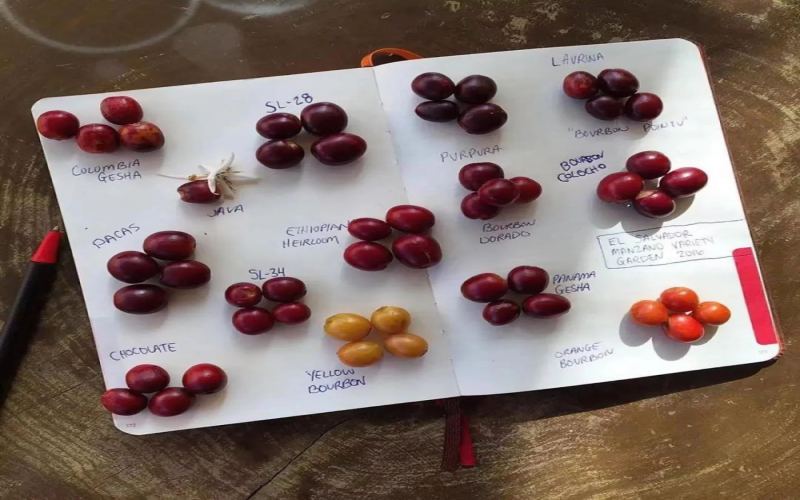
What are the differences between Typica and Bourbon? What is the relationship between Panama Geisha and Huakui?
There are many coffee varieties, and many common ones on the market actually originate from the two great elders under Arabica—Typica and Bourbon. This article starts with identification by appearance, and introduces Typica, Bourbon (Red Bourbon), SL28 and SL34, Caturra, Catuai, and Geisha, which rose to fame in Panama. The article also answers a question that is often confused: what exactly is the relationship between Panama Geisha and Ethiopia Harrar? By sorting out the origins, dissemination paths, and naming origins of each variety, it helps coffee enthusiasts more clearly understand the kinship and differences among these varieties. [more…]